Specialist Pond Management Solutions and Services: Aquatic Weed Extraction, Dredging, and Cleaning by Top Pond Contractors
Expert pond management offerings play a vital role in preserving the health of aquatic ecosystems. Typical issues like invasive weeds and nutrient overload can drastically impact water quality. Professional contractors offer services such as aquatic weed removal, dredging, and cleaning to restore balance. Knowing the methods and benefits of these services can make a significant difference. The following sections will explore how these practices support sustainable pond health.
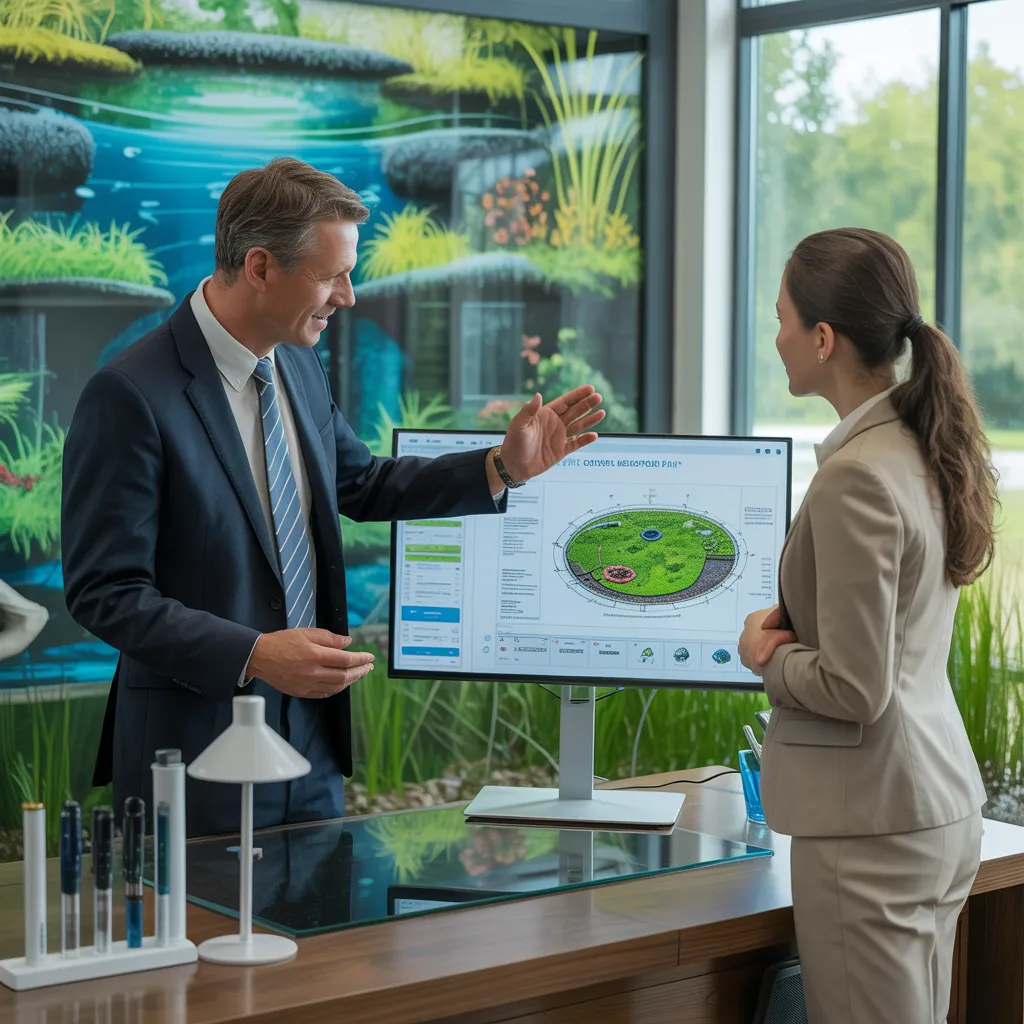
Frequent Pond Challenges and How Skilled Management Can Resolve Them
Although ponds can be attractive and peaceful, they commonly face a array of common problems that can disturb their ecological balance. Water quality concerns, such as nutrient overload and pollution, can result in algae blooms, which reduce oxygen and damage aquatic life. In addition, sediment accumulation can decrease the pond's depth and storage capacity, further aggravating water quality concerns. Invasive species may also threaten native plants and animals, producing competition for resources and altering the ecosystem.
Professional management plays a crucial part in tackling these issues. Via analyzing the pond's individual demands, professionals can implement targeted strategies, such as water oxygenation and nutrient oversight, to improve water quality. Routine upkeep, featuring bottom cleaning and surveillance of foreign species, supports the return of biological stability. Through utilizing professional management methods, pond proprietors can secure that their waters continue to be robust, enduring, and satisfying for all visitors.
How Aquatic Plant Removal Improves Water Quality
When aquatic weeds proliferate in a pond, they can substantially degrade water quality, generating a chain reaction of ecological issues. Overgrown weed growth can block sunlight, stopping essential photosynthesis for beneficial aquatic plants. This decline in plant life can cause reduced oxygen levels, adversely affecting fish and other aquatic organisms. Moreover, decaying weeds lead to nutrient overload, which can trigger harmful algal blooms, additionally diminishing water quality.
Successful aquatic weed removal aids in reestablishing balance to the ecosystem. By removing invasive species, water clarity enhances, allowing sunlight to penetrate deeper, encouraging healthy plant growth. Enhanced photosynthesis leads to increased oxygen levels, benefiting fish populations and other aquatic life. In addition, maintaining a balanced nutrient level avoids algal blooms, thereby providing a healthier pond environment. Consequently, regular aquatic weed management is vital for preserving water quality and promoting biodiversity within pond ecosystems.
The Positive Aspects of Professional Dredging for Water Body Health
Pond health maintenance benefits significantly from professional dredging services, as it efficiently eliminates accumulated sediment and organic matter that can compromise water quality. By reducing sediment deposits, dredging improves water circulation and light penetration, which are vital for aquatic plant and animal life. This process also lessens nutrient loading, which can result in harmful algal blooms, thereby promoting a balanced ecosystem.
In addition, dredging can restore habitat for fish and other wildlife, developing a more vibrant aquatic environment. Regular dredging works to stop the overgrowth of invasive species by limiting the substrate accessible for their establishment. It also enhances the pond's depth, elevating its overall visual appeal and recreational value. Overall, professional dredging is an vital tool for pond management, guaranteeing ongoing health and sustainability of aquatic ecosystems while augmenting the experience of pond owners and visitors alike.
Successful Cleaning Approaches for a Crystal-Clear Pond
Proper pond cleaning is vital for preserving a healthy aquatic environment. Hands-on cleaning approaches, such as raking and skimming, can assist in eliminating debris and excess vegetation, while chemical treatment alternatives may offer targeted solutions for algae and harmful organisms. Grasping these methods enables pond managers to choose the best approach for securing a pristine pond.
Manual Cleaning Techniques
Preserving a clean pond requires diligent manual cleaning methods that can greatly boost water quality and aesthetics. One proven method is hand-pulling aquatic weeds, which keeps them from spreading and allows for the removal of root systems. Raking the pond bottom can also help eliminate debris and excess organic matter, boosting overall clarity. Additionally, using specialized tools like skimmers and nets helps with capturing floating debris and algae. Regular maintenance, such as removing fallen leaves and litter, is crucial to prevent nutrient buildup that can result in more serious issues. By implementing these manual techniques, pond owners can guarantee their water bodies remain healthy, visually appealing, and supportive of aquatic life.
Options for Chemical Treatment
Chemical treatment methods play a vital role in establishing and maintaining a pristine pond environment. These approaches involve the application of herbicides and algaecides specifically designed to target nuisance aquatic vegetation and algae. By utilizing these chemicals responsibly and in accordance with local regulations, pond managers can effectively control the growth of invasive species that jeopardize water quality and biodiversity. Additionally, biological enhancers can be introduced to support the natural ecosystem while reducing nutrient levels that contribute to algae blooms. It is important for contractors to assess the specific needs of each pond before implementing chemical treatments, ensuring a balanced approach that promotes a healthy aquatic habitat. Regular monitoring and follow-up treatments can further enhance the longevity of a pristine pond.
Advice for Picking the Ideal Pond Management Contractor
Picking the right pond management contractor is vital for achieving ideal results. It is essential to review their experience and expertise, evaluate the services they supply, and verify their licensing and insurance. These factors are essential to ensuring a effective partnership for efficient pond management.
Review Knowledge and Expertise
How can someone establish the right qualifications when selecting a pond management contractor? Evaluating experience and expertise is fundamental in this process. Potential clients should inquire about the contractor's years of operation, previous work, and specific expertise in pond management services. A contractor with a solid reputation in pond weed control, dredging, and cleaning will likely provide effective solutions. Also, reviewing certifications and licenses can provide insight into their professionalism and compliance with industry standards. Client testimonials and case studies can also show the contractor's effectiveness and contentment of earlier clients. Finally, a extensive assessment of experience and expertise will help guarantee that the selected contractor can meet the individual needs of the pond management project.
Evaluate Services Delivered
When selecting the most suitable pond management contractor, examining the range of services they offer is essential. A comprehensive service portfolio should encompass aquatic weed removal, dredging, cleaning, and water quality management. It is critical to verify that the contractor provides tailored solutions that cater to specific pond needs, as not all ponds require the same treatment. Additionally, contractors who offer integrated management plans often demonstrate a deeper understanding of ecological balance and sustainability. Prospective clients should inquire about the methods and technologies used, as well as any additional services like fish stocking or erosion control. By examining the scope and range of services, individuals can make informed decisions that match their pond management goals.
Validate Licensing and Insurance
Frequently disregarded, confirming licensing and insurance is a essential step in picking a reputable pond management contractor. This process confirms that the contractor conducts business legally and follows industry regulations. A valid license indicates that the contractor holds the required skills and knowledge in pond management practices. Insurance, conversely, safeguards both the contractor and the client from potential liabilities, such as property damage or accidents that may arise during the project. Before hiring, clients should obtain copies of the contractor's license and insurance documents for verification. This diligence aids in eliminate future disputes and gives peace of mind, knowing that the appointed contractor is capable and adequately covered for the services they offer.
What to Expect in Costs for Pond Management Services
When looking into pond management services, property owners can expect a variety of costs that vary depending on several factors. The size of the pond is a major determinant, as larger aquatic features typically require more resources and labor. The type of services required, such as aquatic weed removal, dredging, or general maintenance, also influences pricing. For example, specialized treatments for invasive species may lead to higher costs than routine cleaning. Additionally, the frequency of service plays a role; regular maintenance plans can be more affordable than one-time interventions. Geographic location impacts costs as well, with prices varying between urban and rural areas. Finally, the reputation and experience of the pond management contractor can result in differences in pricing. Property owners are recommended to obtain multiple quotes to ensure competitive pricing while considering the quality of service provided.
Seasonal Tips for Eco-Friendly Pond Maintenance
When seasons transition, property owners can utilize eco-friendly pond maintenance strategies that foster a healthy aquatic ecosystem. In spring, it is vital to remove debris and fallen leaves to prevent nutrient buildup, which can cause algae growth. Summer is the perfect time for regular monitoring of water quality; testing pH and nutrient levels helps guarantee a balanced environment.
During autumn, pond owners should consider establishing native vegetation along the pond's edges to stabilize banks and provide habitat for wildlife. Furthermore, late fall is a good time to remove excess aquatic plants to ensure water flow and clarity.
In winter, when the pond may freeze, it's necessary to check for ice cover, which can limit oxygen exchange. Homeowners can use aerators to maintain sufficient oxygen levels, maintaining a vigorous aquatic ecosystem even in cold weather. These seasonal practices enhance sustainability and strengthen the pond's overall health.
Sustainable Practices for Effective Pond Management
Adopting eco-friendly methods in pond management both improves the ecological balance and secures the vitality and sustainability of aquatic ecosystems. Primary methods encompass promoting biodiversity by encouraging native plant growth and managing invasive species through natural methods. Utilizing biomanipulation techniques, such as introducing particular fish species, can aid to manage algae levels and promote a balanced food web.
Regular assessment of water quality is necessary, prioritizing parameters including nutrient levels and pH to direct management decisions. Utilizing organic fertilizers and decreasing chemical treatments helps maintain a healthier pond environment. In addition, establishing buffer zones with native vegetation around the pond can decrease runoff and increase habitat for wildlife.
Teaching pond owners about responsible practices encourages community participation and awareness, leading to more sustainable management methods. Overall, implementing these practices not only benefits the ecosystem but also creates a more durable and thriving pond environment for future generations.
Maintaining Your Pond Between Professional Service Visits
Maintaining a pond between professional services demands a proactive method. Regular water testing provides ideal conditions, while monitoring plant growth helps identify any imbalances. Additionally, promptly removing debris can avoid issues that may disturb the ecosystem.
Scheduled Water Testing
While professional pond management services deliver essential expertise, regular water testing is vital for maintaining a healthy aquatic environment between visits. This practice enables pond owners to monitor essential parameters such as pH, dissolved oxygen, and nutrient levels, which can significantly impact water quality and aquatic life. Testing should be conducted seasonally or more frequently if issues occur. Homeowners can use test kits or engage local laboratories for precise analysis. Understanding the results facilitates proactive measures to address imbalances, such as find out about this adjusting chemical treatments or improving aeration. By prioritizing regular water testing, pond owners improve the overall health of their ecosystems, guaranteeing a thriving habitat for fish and other aquatic organisms while complementing the work carried out by professional contractors.
Track Plant Growth
Regular water testing establishes a foundation for effective pond management, but monitoring plant growth is equally vital for maintaining a balanced ecosystem. Examining the types and quantities of aquatic plants can help identify potential issues before they escalate. An increase in invasive species may indicate nutrient imbalances or stagnation, while a decline in native plants could suggest environmental stressors. Regular assessments should include checking for signs of overgrowth, such as reduced water flow or decreased light penetration. Moreover, noting seasonal changes in plant behavior can inform management strategies. By keeping a vigilant eye on plant growth, pond owners can facilitate a healthier aquatic environment, ensuring that professional services can be more effective when needed.
Clear Away Debris Quickly
Swift removal of debris is critical in sustaining the health and aesthetics of a pond. Collected leaves, twigs, and other organic matter can decompose, resulting in increased nutrient levels that encourage algae growth. Routinely clearing debris reduces this risk and helps maintain water clarity. In addition, it prevents blockages in water inlets and outlets, ensuring proper circulation. Pond owners should develop a routine schedule for debris removal, particularly after storms or seasonal changes that may bring in more material. Straightforward tools such as nets, rakes, and skimmers can efficiently assist in this task. By proactively managing debris, pond owners can create a healthier environment for aquatic life and boost the overall beauty of their water feature, making professional maintenance more successful when needed.
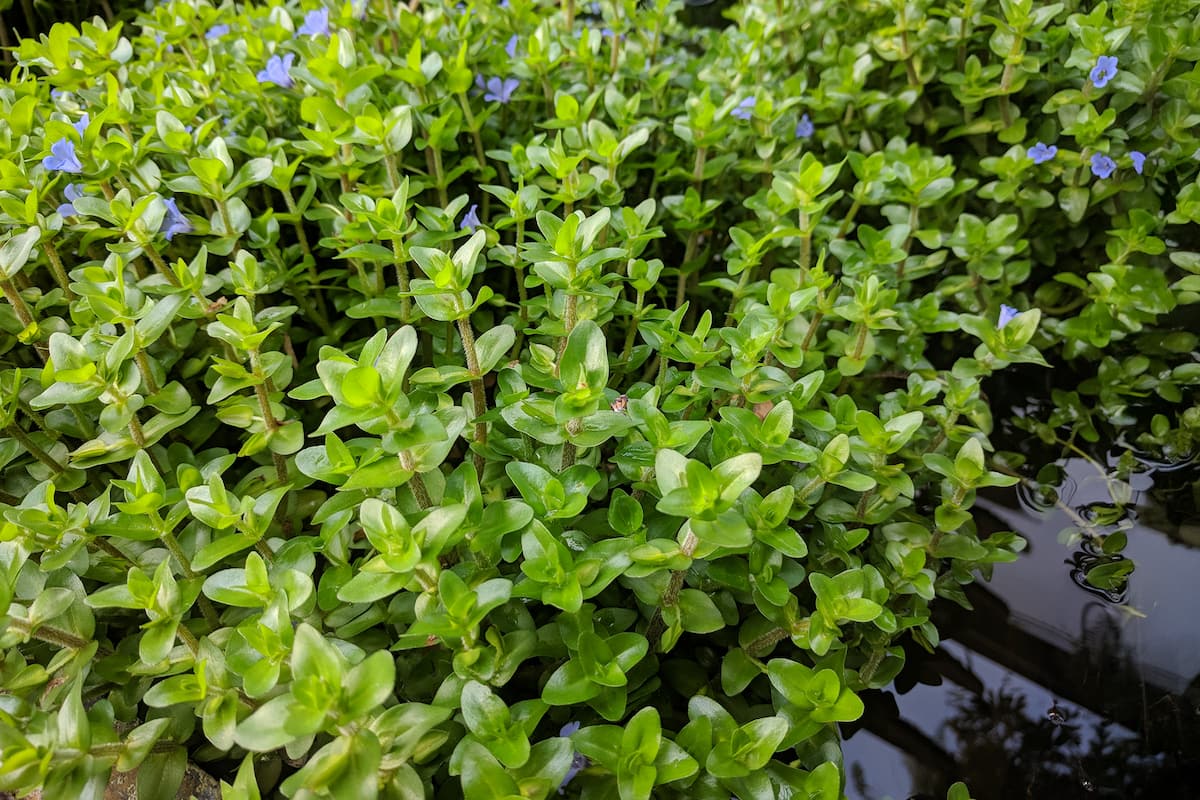
The Importance of Regular Pond Inspections and Maintenance
Pond inspections and upkeep serve a vital function in maintaining aquatic habitats and securing the health of water bodies. Routine inspections enable pond managers to identify potential problems, such as invasive species, algae blooms, or pollution, before they escalate. Additionally, these inspections help monitor water quality, assuring that parameters like pH and nutrient levels remain balanced.
Maintenance tasks, including debris removal, vegetation management, and dredging, keep ponds functioning at their best. By handling these concerns in advance, pond contractors can enhance biodiversity, improve water clarity, and stop habitat degradation. Additionally, ongoing monitoring cultivates a more comprehensive understanding of the pond's ecological dynamics, allowing tailored management strategies.
In the end, routine inspection and upkeep practices safeguard the ecological health of ponds, promote recreation possibilities, and preserve property values. Dedicating resources to these practices not only ensures a thriving aquatic habitat but also contributes to the overall health of local ecosystems.
Frequently Asked Questions
How Regularly Should I Book Pond Management Services?
Biannual scheduling is typically recommended for pond management services, with additional visits as needed based on water quality and aquatic plant growth. Consistent monitoring ensures a healthy ecosystem and keeps issues from becoming severe. Maintaining consistency is essential.
Are There Risks Linked to Aquatic Weed Removal?
Indeed, risks linked to aquatic weed elimination include possible disturbance to the ecosystem, harming beneficial organisms, and water quality problems. These risks can be mitigated through careful management and professional supervision, maintaining a stable aquatic habitat.
Can I Take Care of My Pond Without Hiring Professionals?
Overseeing a pond without professional assistance is feasible, but it demands significant time, effort, and understanding of aquatic ecosystems. Insufficient management can lead to issues like overgrowth, poor water quality, and ecosystem instability.
What Equipment Is Typically Used by Pond Contractors?
Pond contractors generally use a range of equipment, including aquatic plant harvesters, dredges, aeration systems, and skimmers. This machinery enables optimal management and maintenance, guaranteeing proper water quality and habitat conditions for aquatic life.
How Does Weather Impact Pond Management Practices?
Weather patterns greatly affect pond management practices, influencing water temperature, oxygen levels, and plant growth. Seasonal shifts dictate the timing for treatments, while intense precipitation can result in elevated runoff and sedimentation, challenging maintenance efforts.